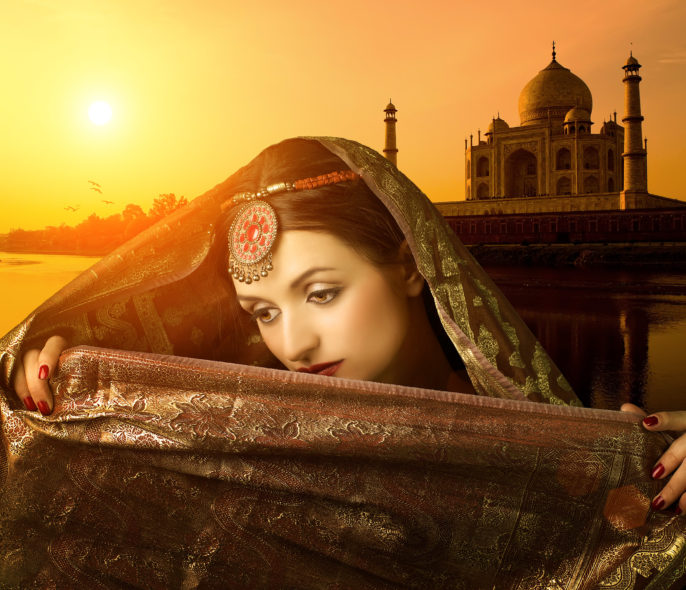
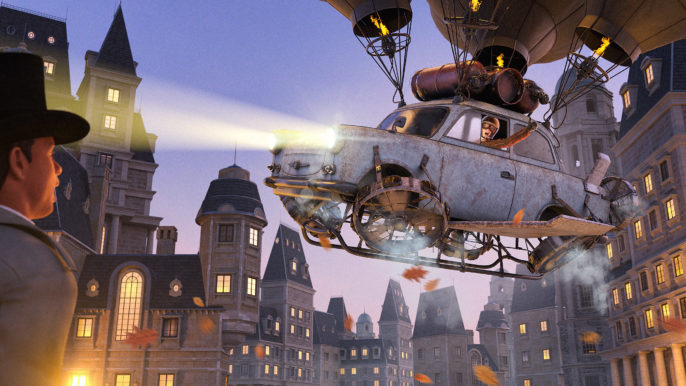
Because layer masks are made of pixels like a layer, they offer tremendous control when blending one layer with another. Layer masks accept paint, gradients, density and contrast adjustments, and filters. In today’s Workbench, we’ll add a distressed image to a mask in order to randomize the way the host layer interacts with the layer below.
Because Filter Forge is the world’s best texture and pattern-generating software, we’ll begin by using one of the filters in its library. Then, we’ll explore a similar effect that can be produced using nothing but Photoshop.
If you’ve watched any of my recent Workbenches, you know how excited I am about Filter Forge. Put simply, Filter Forge is the most remarkable creative tool I’ve encountered in years. In upcoming Workbenches, I’ll show you even more reasons why I’m so enthusiastic about this product. In the meantime, if you’d like to download a a fully functional free trial of Filter Forge, click here. When you’re ready to buy, be sure to enter the discount code “ud4Nswev0ySA” during checkout to receive an extraordinary 40% off your order.
Thanks to an unknown contributor for submitting today’s breathtaking egret image.
Click here to purchase the Maximum Creativity with Filter Forge video tutorial series for $24.95.
Click here to explore the stunning and versatile Texture Labs Collections.

Love it thanks!
Love it, thank you
Mark, AWESOME tutorial !
Thanks again for sharing your wonderful techniques over the years !